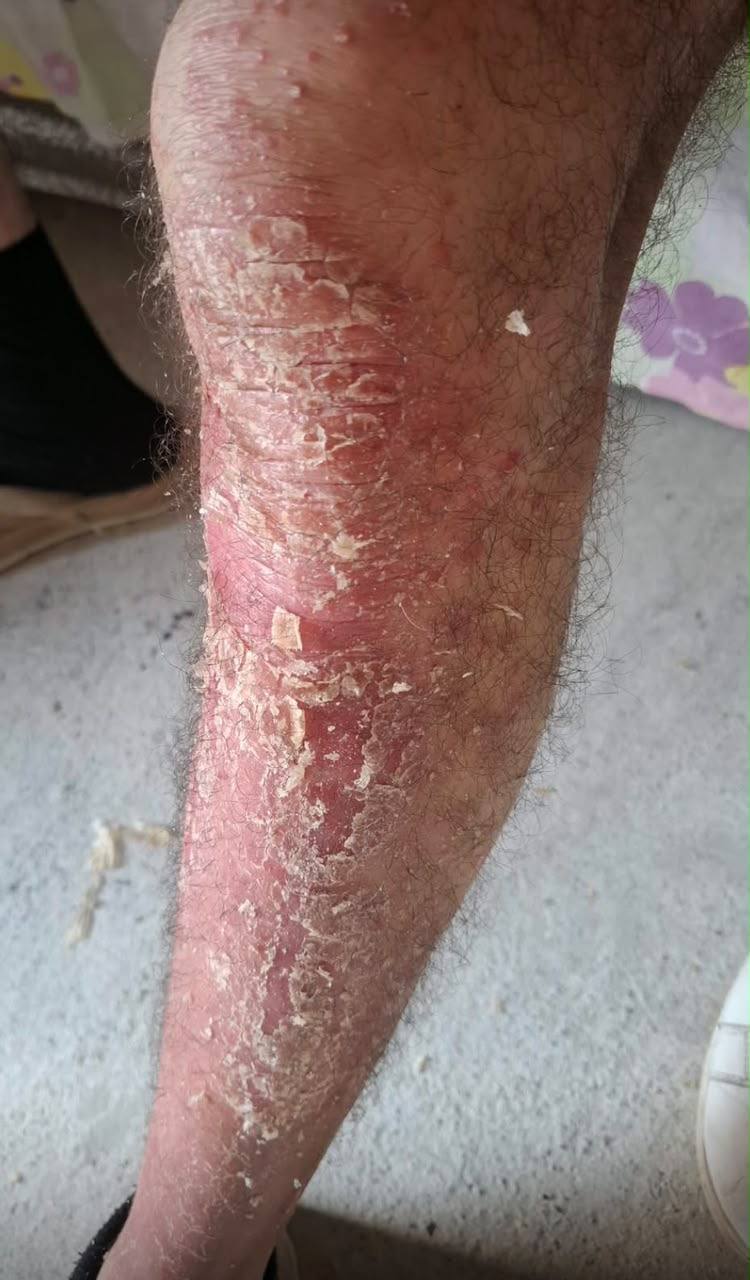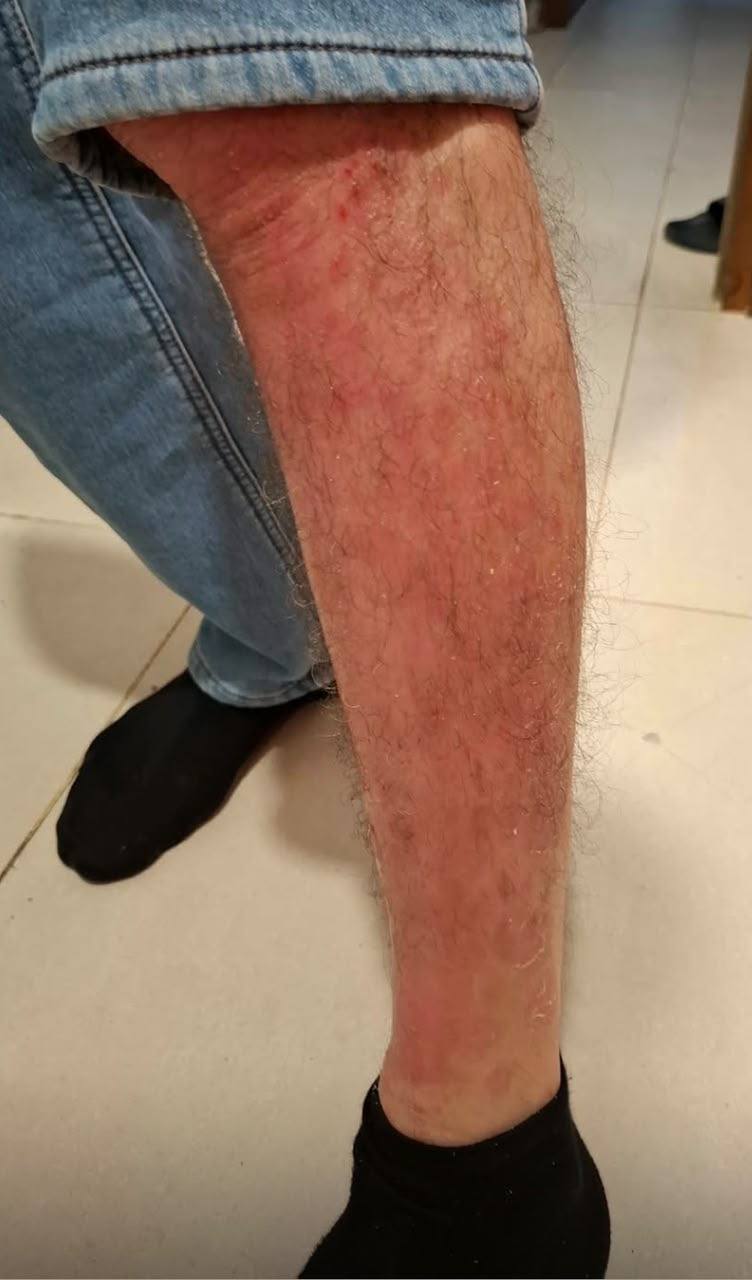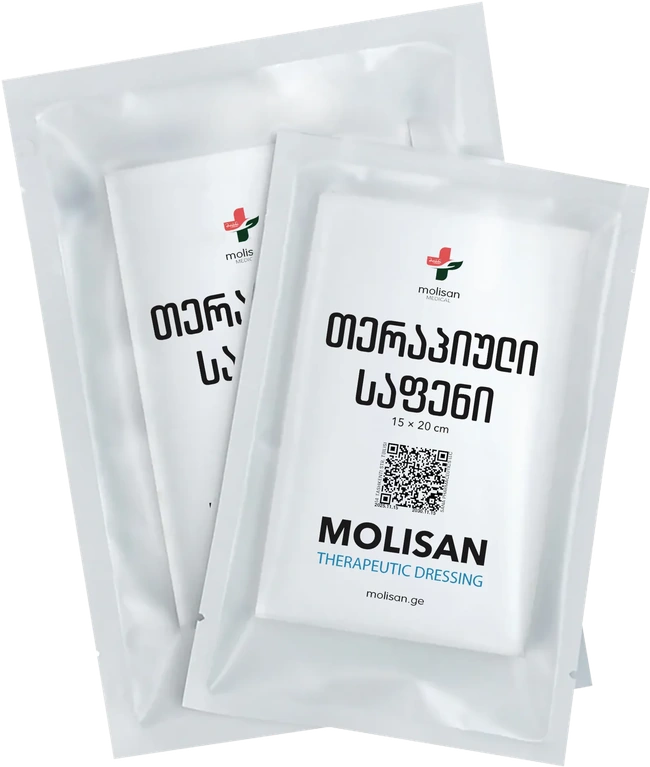

For external use only
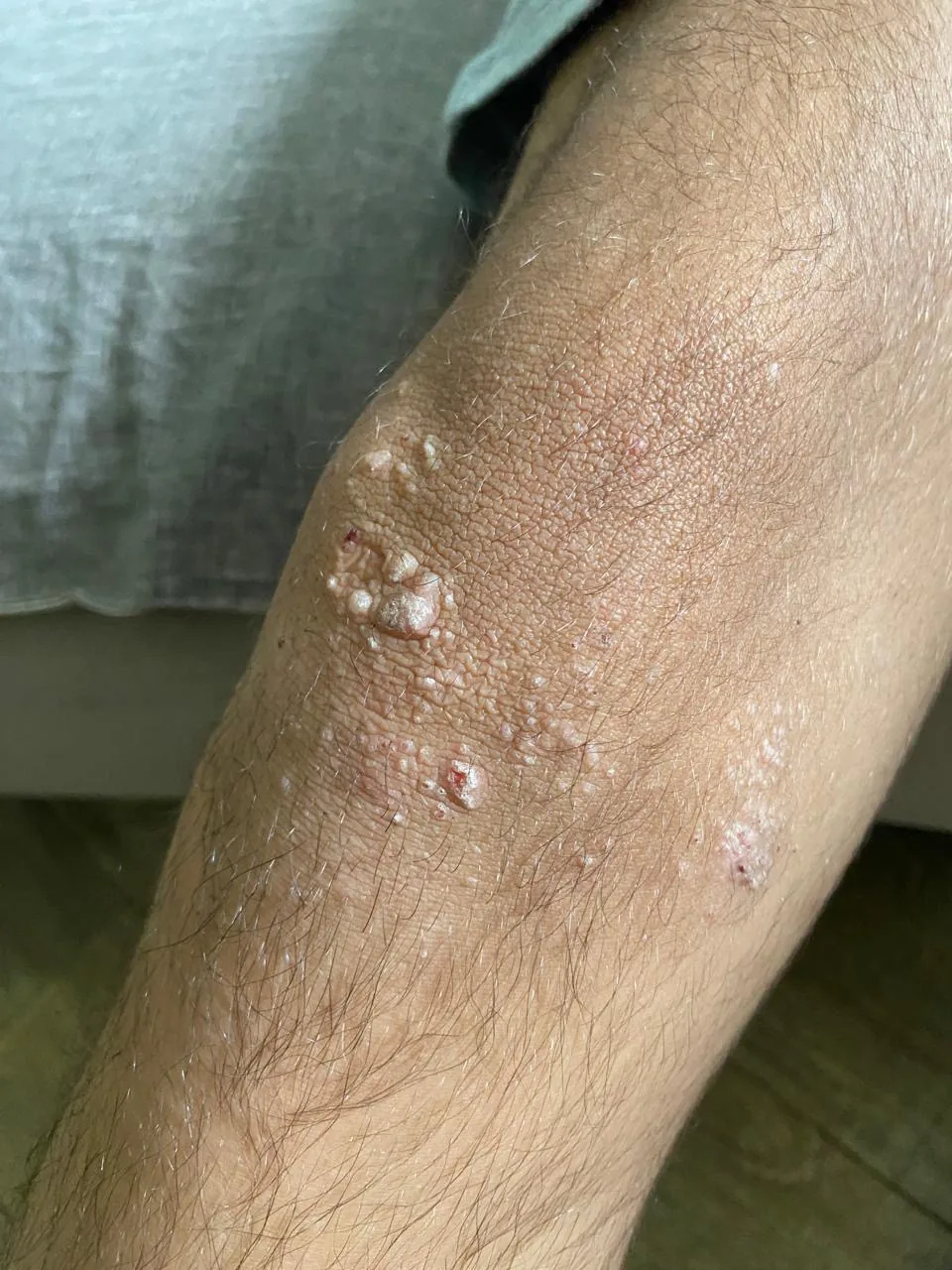
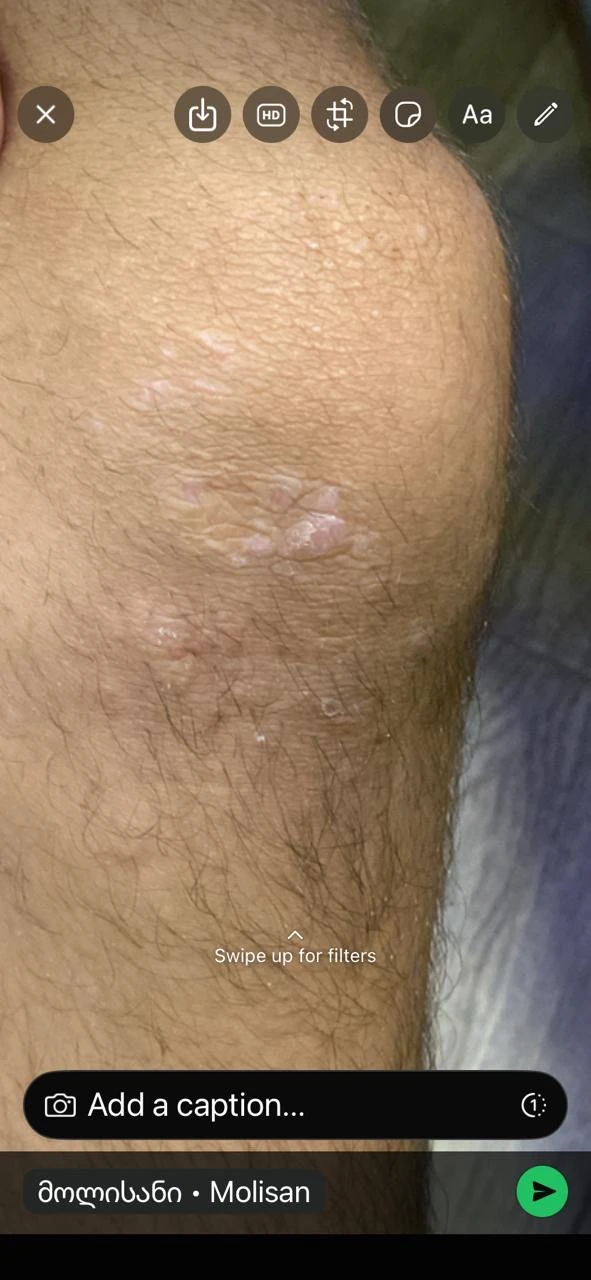
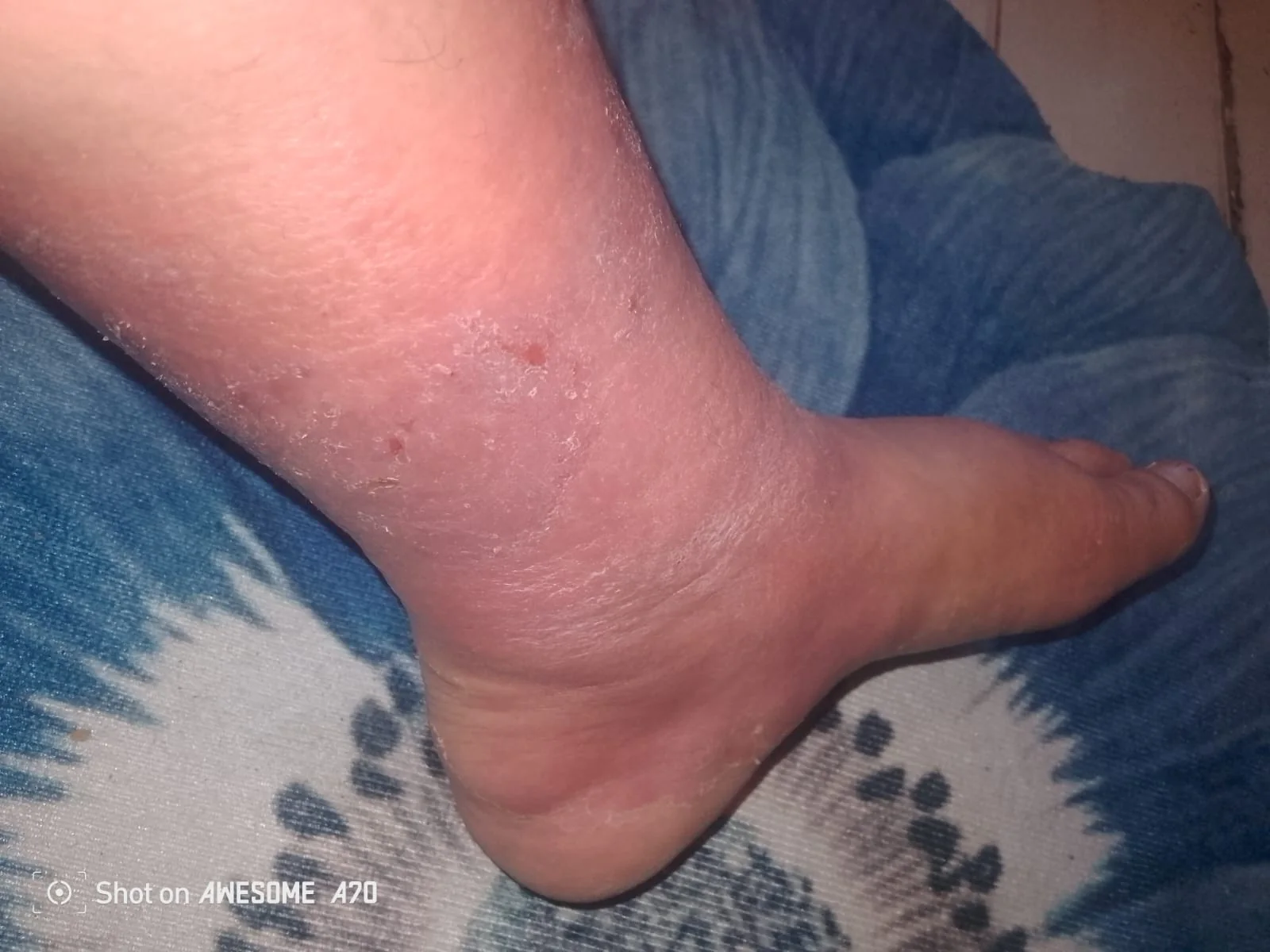
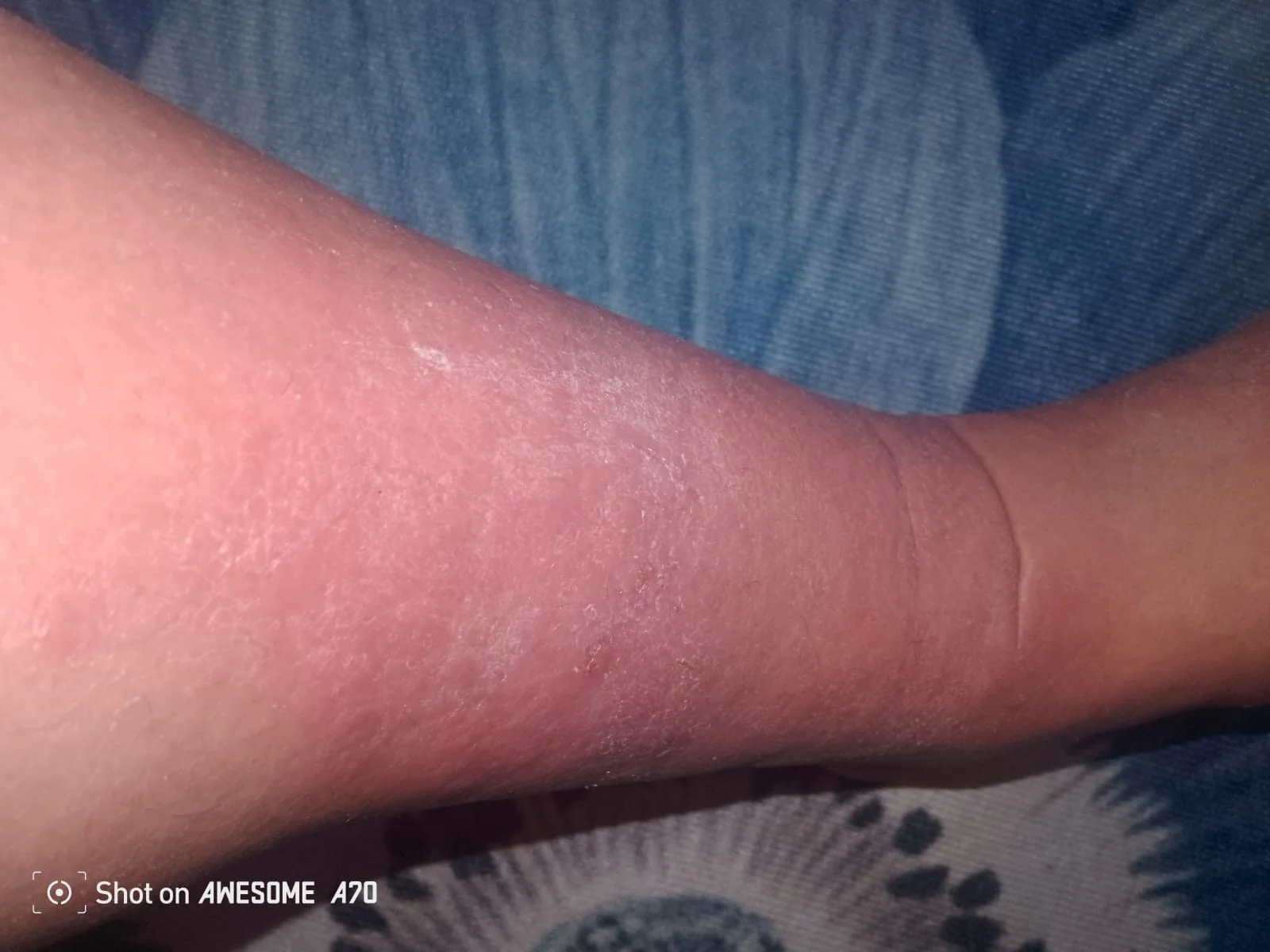
MOLISAN is used for the care of damaged skin and wound surfaces and helps support the restoration of normal tissue function.
Designed for external care of chronic and difficult-to-heal wounds, trophic ulcers, pressure sores, postoperative wounds, burns after first aid, and other skin injuries.
NCDC Laboratory Evaluation
According to NCDC documents dated 4 September 2026, the ready-to-use MOLISAN solution demonstrated full effectiveness after 15 minutes of exposure for antiseptic preparation of surgical and injection areas of the skin.
The laboratory report for MOLISAN sample 26CO414840 records No Growth for P. aeruginosa ATCC 27853, E. hirae ATCC 10541 and S. aureus ATCC 25923.
Laboratory setting: BSL-2
Official NCDC Letter
Formal conclusion / official communication
Laboratory Test Results
Underlying laboratory record supporting the letter
When a wound does not heal for a long time
A long-standing wound is not only damage to the skin surface. Its condition may be influenced by tissue blood supply, venous congestion and swelling, persistent pressure, infection, diabetes, repeated trauma, nutrition, mobility and the person's overall condition.
This is why chronic wound care has two tasks at the same time: caring properly for the wound itself and understanding what is preventing tissue recovery.
What MOLISAN is intended for
Chronic and difficult-to-heal wounds. For regular external care of the wound surface, including wounds that remain open for a long time or are repeatedly damaged.
Trophic ulcers. For local care of the wound surface. With a leg ulcer, it is also important to understand the cause — for example venous and arterial circulation, the degree of swelling and other factors.
Pressure sores. For care of damaged skin and the wound surface. With a pressure sore, local care must be combined with reducing pressure on the affected area.
Postoperative wounds. For external care after the nature of the wound and the overall management plan have been assessed.
Burns. For subsequent care after correct first aid and cooling of the injured surface.
Damaged and problem skin. For external water-based care when skin integrity is impaired, irritated or otherwise suited to this type of care.
Separate pages provide specific guidance for fungal skin and nail conditions, psoriasis, eczema and everyday care of problem skin.
Why chronic wounds are different
Wounds that look similar can have very different causes. For example, a lower-leg ulcer may be mainly venous, arterial or diabetic, may be related to marked swelling, or may involve several mechanisms at once.
The wound itself needs local care every day. But if the underlying factor is still active, it must also be considered in the overall plan. That is why a chronic wound should be assessed together with the person's history, not from a photograph alone.
Composition
Current MOLISAN — SKIN & WOUND CARE SOLUTION formula:
- structured water;
- sodium chloride;
- tea tree essential oil;
- frankincense essential oil;
- eucalyptus essential oil;
- peppermint essential oil.
How to warm MOLISAN for an application
- Pour only the amount needed for one procedure into a clean cup.
- Place the cup containing MOLISAN in a container of hot water — use a water bath.
- Warm the solution to approximately 42 °C.
- Use the warmed solution immediately. Do not store the warmed remainder and do not pour it back into the bottle.
Warm MOLISAN application
For wound-care use, a warm MOLISAN application is performed for approximately 15–20 minutes.
The material used for the application should be clean or sterile and appropriate for the condition of the wound. Any ongoing dressing is selected separately according to wound depth, location, amount of exudate, pain and the condition of the surrounding skin.
General care rules
- Wash your hands before wound care.
- For an open wound, use clean or sterile materials appropriate to the wound condition.
- Do not touch the wound, skin or used material with the neck of the bottle.
- Do not return used or warmed solution to the bottle.
- Monitor changes in wound size and depth, exudate, odour, pain and the surrounding skin.
MOLISAN and greasy ointments / oils
MOLISAN is a water-based solution. A dense layer of petroleum jelly, greasy ointment or oil creates a hydrophobic film and can reduce direct contact of the water-based solution with the skin or wound surface.
For this reason, the water-based stage of care is used on a clean surface. Other topical products are sequenced so that MOLISAN can directly contact the tissue. This is a physical contact issue, not a claim of chemical incompatibility.
Special rule for pressure sores
A pressure sore develops and persists where tissue continues to be exposed to pressure. Local treatment is therefore only one part of care.
- change body position regularly according to the person’s condition;
- offload the pressure sore and other high-risk areas, especially the heels;
- use an appropriate mattress or other pressure-redistributing surface when needed;
- monitor skin moisture, nutrition and the person’s general condition;
- select the ongoing dressing for the specific wound rather than using one universal dressing for all pressure sores.
If it is a trophic ulcer
With a lower-leg ulcer, it is important to determine the cause. Venous disease, impaired arterial circulation, diabetes, swelling and other factors require different overall management.
If the ulcer is venous, compression may be part of management, but arterial blood supply should be assessed before therapeutic compression is used. Standard compression may be unsafe when arterial inflow is significantly reduced.
If it is a burn
For a fresh thermal burn, the first step is to cool the affected area with cool running water for at least 20 minutes.
- do not use ice;
- do not apply oils, fats or dense home remedies before cooling;
- do not pull away clothing or material stuck to the skin;
- do not intentionally burst blisters.
After cooling, further care depends on the depth, size and location of the burn. For an appropriate superficial injury, MOLISAN may be used at the next stage of external care — without warming.
When a wound should be medically assessed
Pay attention to changes that may indicate a complication:
- redness around the wound is spreading;
- the surrounding skin becomes noticeably warmer or more swollen;
- new or increasing pain develops;
- exudate increases sharply or pus appears;
- the wound rapidly becomes larger or deeper;
- fever, chills or marked deterioration in general wellbeing develops;
- the wound is very deep, tendon or bone is visible, or there is marked necrotic tissue;
- with a leg wound, the foot becomes cold, pale or bluish, or severe pain develops.
In these situations, do not continue the same routine automatically; the cause of the change needs to be assessed and the care plan adjusted.
Contraindications and tolerance
Do not use in people with known individual intolerance or hypersensitivity to the product's components.
If marked irritation, an unusual reaction or a clear worsening of the skin occurs after use, stop using the product and assess the situation.
For external use only.
Storage
- Keep the bottle tightly closed at room temperature.
- Protect from direct sunlight.
- Keep out of reach of children.
- Warm only the amount needed for one procedure; do not store warmed solution.
User experiences
MOLISAN has a long archive of real user experiences involving chronic wounds, trophic ulcers, pressure sores, burns and skin problems.
Research and documents
MOLISAN — SKIN & WOUND CARE SOLUTION continues our skin and wound care line. Its studies and product documents from different years are collected in one place.
MOLISAN and COALESIA doctor support
If a wound has existed for a long time, repeatedly reopens, is accompanied by marked swelling or pain, changes in limb colour or temperature, or the situation remains unclear, the patient's history and photographs can be sent to a doctor through COALESIA.
The purpose of this assessment is to understand not only the wound surface but also the factors that may be preventing recovery.
Where to buy
Current MOLISAN availability, direct ordering, active sales points, partners and delivery information are kept on a separate Where to Buy page and updated centrally.
Frequently asked questions
Do I need to rinse MOLISAN off after the application?
MOLISAN does not need to be automatically rinsed off immediately after an external application. What happens next depends on the wound and the selected dressing.
Can MOLISAN be applied over a greasy ointment?
A dense greasy layer can reduce contact of a water-based solution with the surface. MOLISAN is therefore used on a clean surface before a dense greasy layer.
Can MOLISAN be used for pressure sores?
Yes, as part of local care of damaged skin and the wound surface. Pressure must also be reduced on the affected area and the ongoing dressing chosen appropriately.
Can MOLISAN be used for a trophic ulcer?
Yes, for local wound-surface care. With a leg ulcer it is also important to determine the vascular and other possible causes sustaining the wound.
Can the entire bottle be warmed?
No. Pour only the required amount into a clean cup and warm it in a water bath to approximately 42 °C. Do not store the warmed remainder.
Can warm MOLISAN be used on a fresh burn?
No. Cool a fresh burn first with cool running water. MOLISAN may be used later if the injury is suitable for external care, and without warming.
Can MOLISAN be used for a deep wound?
A deep wound requires assessment of its depth, the tissues in the wound bed, exudate and possible complications. MOLISAN may be part of local care once the overall plan has been determined.